1. Why do people who are not "evil" take the first step into evil? What, for instance, is involved in taking that first step "down the primrose path to the everlasting bonfire" (Macbeth, 2.3)? What are the consequences of the individual choosing evil (particularly the internal consequences)? Use examples from the text to support your opinion.
Macbeth
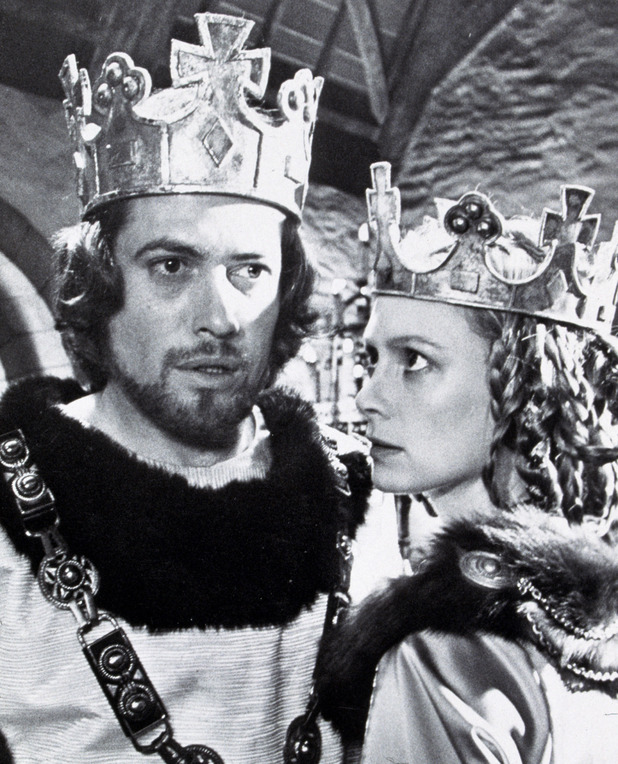
In Macbeth's soliloquy (Act 1, Scene 7), Macbeth says, "[Duncan's] virtues will plead like angels, trumpet tongued, against the deep damnation of his taking off; and pity, like a naked newborn babe striding the blast, or heaven's cherubin horsed upon the slightest couriers of the air, shall blow the horrid deed in every eye...I have no spur to prick the sides of my intent, but only vaulting ambition, which o'erleaps itself and falls on th' other-".
Macbeth reasons that what he is doing is okay because Duncan has been a good person in his lifetime and will end up in a "better" place after he is murdered. Though this justification is almost absurd, it makes Macbeth feel better about the awful deed he is planning to commit. Because Macbeth is not an evil person, he needs to vindicate his actions in some way. He also reasons that his ambition is just too strong, that he has no reason to "prick his intent".
When a good person commits and evil act, it can have a drastic impact on that person's view of them self and drastically change their behavior. If they strongly regret their decisions, then it will have a huge impact on them emotionally, causing them to think of almost nothing other than what they did wrong. Or it can lead in the completely opposite direction acting as a gateway to even more evil acts, which can be justified by the success and ease of the first following a "one more time won't make a difference" sort of philosophy.
Macbeth follows the second path leading to even more acts of evil. Instead of being a good person just committing evil acts, he becomes an actual evil person. He even has his best friend murdered, something that would seem inconceivable to the Macbeth we meet in the first scenes of the play.