1. Why do people who are not "evil" take the first step into evil? What, for instance, is involved in taking that first step "down the primrose path to the everlasting bonfire" (Macbeth, 2.3)? What are the consequences of the individual choosing evil (particularly the internal consequences)? Use examples from the text to support your opinion.
Macbeth
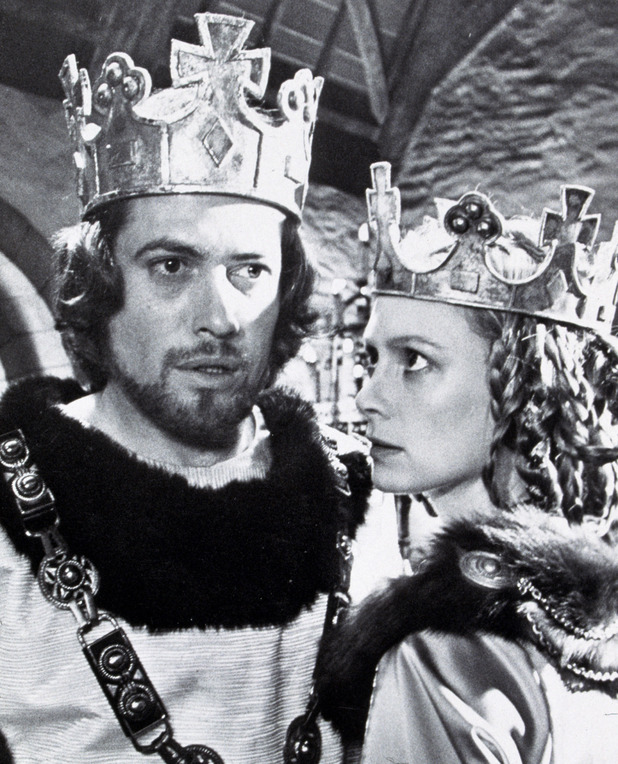
In Macbeth's soliloquy (Act 1, Scene 7), Macbeth says, "[Duncan's] virtues will plead like angels, trumpet tongued, against the deep damnation of his taking off; and pity, like a naked newborn babe striding the blast, or heaven's cherubin horsed upon the slightest couriers of the air, shall blow the horrid deed in every eye...I have no spur to prick the sides of my intent, but only vaulting ambition, which o'erleaps itself and falls on th' other-".
Macbeth reasons that what he is doing is okay because Duncan has been a good person in his lifetime and will end up in a "better" place after he is murdered. Though this justification is almost absurd, it makes Macbeth feel better about the awful deed he is planning to commit. Because Macbeth is not an evil person, he needs to vindicate his actions in some way. He also reasons that his ambition is just too strong, that he has no reason to "prick his intent".
When a good person commits and evil act, it can have a drastic impact on that person's view of them self and drastically change their behavior. If they strongly regret their decisions, then it will have a huge impact on them emotionally, causing them to think of almost nothing other than what they did wrong. Or it can lead in the completely opposite direction acting as a gateway to even more evil acts, which can be justified by the success and ease of the first following a "one more time won't make a difference" sort of philosophy.
Macbeth follows the second path leading to even more acts of evil. Instead of being a good person just committing evil acts, he becomes an actual evil person. He even has his best friend murdered, something that would seem inconceivable to the Macbeth we meet in the first scenes of the play.

I really enjoyed reading your blog! I agree with the three points you made at the very beginning about justification, desire, and others being involved when acts of evil are being made. Looking back at other stories that contain evil, I can develop those three points as well. I also agree that the act of evil changes the way the reader could view the character. In the beginning of Macbeth, he seems to be a good person who accidentally was pressured into committing a wrongful act. By the end of act three, it seems Macbeth has changed from someone good to someone bad who continues to commit acts of evil. You made some really good points!
ReplyDeleteI really liked how you stated that by the acumulation of his evil acts he becomes an actually evil person. It is interesting to think about the line between a good person doing an evil thing and an overall evil person. I think you could connect becoming evil to the first step that he took. Without his first act he would not have developed his "one more time will not make a difference" philosophy. It is also a good point to discuss the flaws in Macbeth's justification that was based solely off his thirst for power.
ReplyDeleteYou bring up how Macbeth justifies killing Duncan because Duncan will end up in a better place- what role does faith/religion play on the character's actions?
ReplyDeleteI addressed question 1 in my blog too and I liked how you explored his reasoning behind his evil actions. I agree with the points you brought up about them! I also agree with what you said about a person committing one evil act and regretting it or choosing to commit more. It made me question what we can classify as an evil person... Is it only someone who continues to do evil things and not really feel bad about them or can it be someone who feels guilty about their actions, but continues to do it because their desire is stronger than their feelings of guilt? I enjoyed reading your post!
ReplyDeleteI had also addressed question one. I really like the implementation of the argument "Most people take the "first step" in order to satisfy one of their deepest desires" because as thought about it, it makes perfect sense. All the evil people seen on the tv, on on mugshots, or in regular daily life, had to have generated their intentions from a single source, which is what you refer to as their deepest desire. it is this that (if they choose to continue down the wrong road) dictates how they are to live out the remainder of their lives. I liked your post
ReplyDelete